Submit
← Back

#music

6+ posts

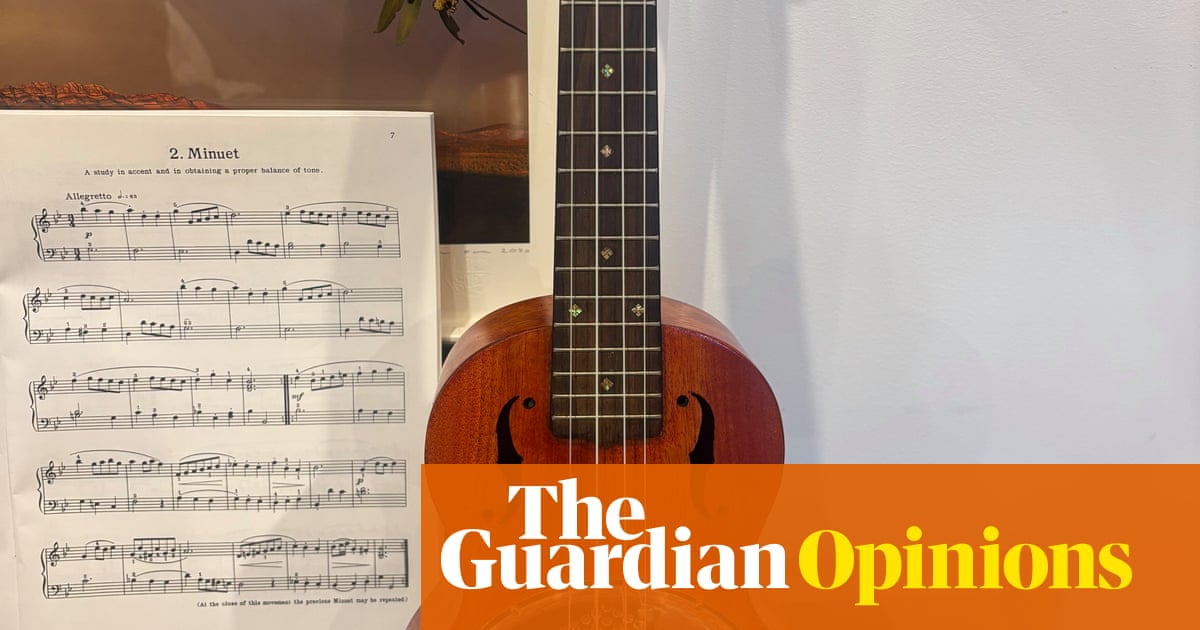
Many adults assume that if they drifted away from music after school, their chance to play an instrument is gone for good. This heartwarming personal essay in The Guardian proves the exact opposite—all it took was one casual living-room singalong to spark a brand-new creative obsession.

After hearing a friend strum a few chords on a ukulele and lead a group in harmony, the writer decided to buy an affordable starter instrument and commit to a short 15-day beginner course. Within days, sore fingertips gave way to easy chord changes, and evening practice became the highlight of her day—so absorbing that she had to set a timer just to remember to go to bed.

What makes the ukulele so inviting is how quickly you can go from zero experience to playing real songs with friends. You do not need years of conservatory training to feel that spark of making music with your own hands. Give the full story a read—it might be the nudge you need to pick up a small instrument and bring more playfulness into your evenings.
Practicing guitar for an hour without a plan often leaves players feeling stuck on the same riffs for years.

This YouTube breakdown highlights five targeted exercises designed to cut out wasted motion and build clean finger independence, rhythm, and fretboard confidence fast. Even 15 minutes of structured practice beats an hour of noodling—helping beginners and intermediates hear real improvement week after week.

Sore fingertips and slow chord changes make a lot of beginner guitarists quit in week one—right before the fun part starts.

In r/Guitar, experienced players shared a dead-simple drill that builds muscle memory fast: pick four essential chords (G, D, Em, C), set a metronome to a slow 60–70 BPM, and strum once on every beat while switching chords.

Within 2–3 weeks of daily 10-minute practice, your fingertips toughen up and your hand starts landing on the chords automatically—unlocking hundreds of popular songs you can actually play and sing along to.

If you've ever wanted to sing without feeling embarrassed in the car or at karaoke, you don't need expensive private lessons on day one.

This YouTube guide walks through a simple 10-minute daily routine designed for complete beginners starting from scratch. By practicing gentle warm-ups, breath support, and vocal flexibility for just ten minutes a day, you steadily build the coordination and confidence that make singing feel effortless.

The biggest hurdle isn't talent—it's avoiding straining early on and giving your voice consistent, bite-sized practice every day.

Many people assume you're either born with a singing voice or you aren't, yet r/singing is packed with self-taught vocalists who learned to sing cleanly in tune just by training smartly.

Their top practical tips for beginners:

  • Keep your throat and jaw relaxed: Pitch control comes from breath and mental hearing, not squeezing your throat.
  • Record yourself singing a song you love: Listening back reveals one specific thing you liked and one thing to fix next time.
  • Start in your comfortable speaking range: Build smooth transitions and steady volume between notes before chasing high notes.

Your voice is a muscle you can train—just like learning an instrument. Start softly, stay relaxed, and let your ear guide you.

So many adults buy a keyboard, try memorizing random notes or dry finger drills for a few weeks, and give up because it never feels like making real music.

A refreshing 2026 piano blueprint on YouTube breaks down why you don't need to overcomplicate it—and how three simple pieces fit together so you can start playing real songs sooner than you think:

  1. Scales teach you the language: Instead of treating scales as boring chores, they give your fingers a map of which notes belong together in a key.
  1. Chords give you the structure: Learning basic chord shapes lets you understand how songs are built so you aren't guessing one note at a time.
  1. Repertoire brings it to life: Applying those scales and chords directly to songs you actually love turns practice into something you look forward to—and helps you internalize and memorize music naturally.

You don't need hours a day or childhood training to enjoy playing piano. Connect the basics to songs you care about, and 15 focused minutes a day will take you surprisingly far.

All posts loaded