Submit
← Back

#hobbies

10+ posts

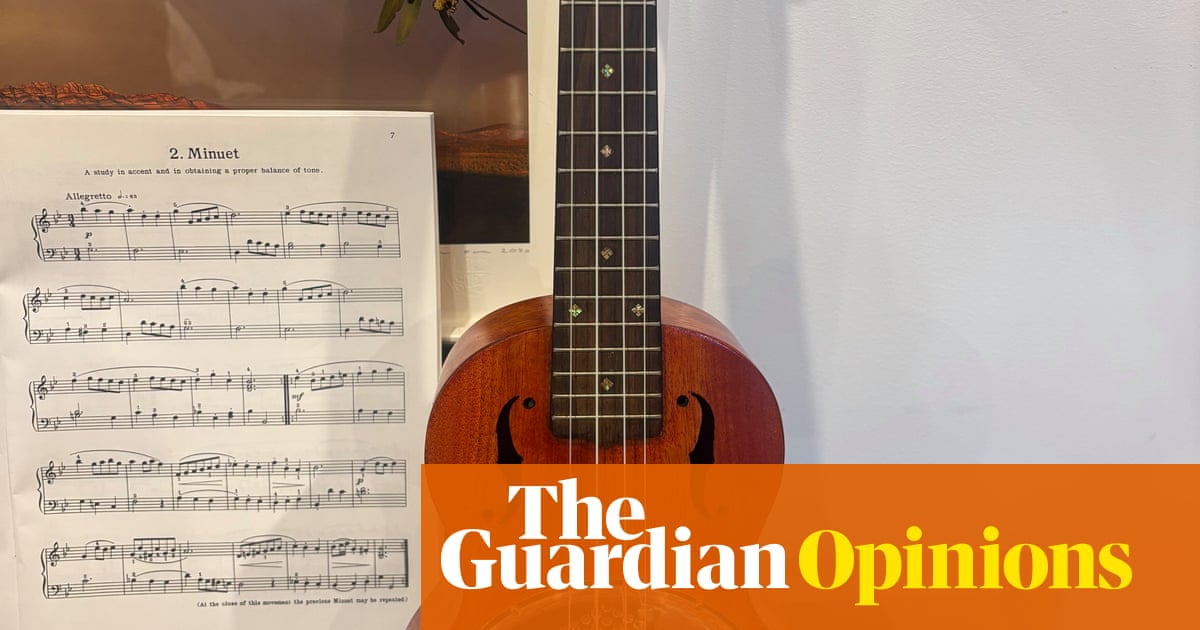
Many adults assume that if they drifted away from music after school, their chance to play an instrument is gone for good. This heartwarming personal essay in The Guardian proves the exact opposite—all it took was one casual living-room singalong to spark a brand-new creative obsession.

After hearing a friend strum a few chords on a ukulele and lead a group in harmony, the writer decided to buy an affordable starter instrument and commit to a short 15-day beginner course. Within days, sore fingertips gave way to easy chord changes, and evening practice became the highlight of her day—so absorbing that she had to set a timer just to remember to go to bed.

What makes the ukulele so inviting is how quickly you can go from zero experience to playing real songs with friends. You do not need years of conservatory training to feel that spark of making music with your own hands. Give the full story a read—it might be the nudge you need to pick up a small instrument and bring more playfulness into your evenings.
Scrolling through woodworking videos can make it seem like you need a two-car garage full of expensive industrial saws just to build a simple shelf.

In a super encouraging r/woodworking thread, hobbyists reminded beginners that skill matters infinitely more than pricey machines. You can build real, lasting furniture—like backyard Adirondack chairs or indoor bookshelves—starting with a few basic hand tools, a good sharpening setup, and a project you genuinely want in your home.

As Nick Offerman famously put it: "Take two pieces of wood, nail them together... Congratulations, you are a woodworker!"

If you think you have a "black thumb," chances are you're just watering your houseplants by the calendar instead of checking the soil.

Plant lovers on r/houseplants shared the golden rules that save beginners from root rot and droopy leaves:

  • Water thoroughly, then wait: Soak the soil until it drains, and let it dry out appropriately before watering again rather than giving tiny sips every two days.
  • Match the plant to your real light: Pick plants that thrive in the light your room actually gets, not the bare minimum they can survive.
  • Always check new plants for pests and quarantine them briefly.

Once you learn to read the soil and light, keeping indoor greenery alive becomes effortless.

Nothing tastes quite as satisfying as a salad or tomato you grew yourself—even if it came from a tiny patio planter.

This YouTube blueprint from GrowVeg walks complete beginners through starting a productive vegetable garden with zero prior experience. By starting small with easy, high-reward crops and learning how to prep basic soil and sun exposure, anyone can turn a backyard corner or balcony into a fresh, rewarding mini-farm.

A lot of aspiring gardeners never plant a single seed because they worry about doing everything "by the book."

In a charming r/gardening advice thread, veteran growers shared common-sense tips that take the stress out of your first garden:

  • Right plant, right place: Match plants to the sunlight and space you actually have, and give small seedlings room to grow.
  • Water deeply, less often: Longer, less frequent watering encourages deeper, stronger roots.
  • Protect your soil with mulch and take quick photos each season so you remember what thrived.
  • Embrace "chaos gardening": Don't put pressure on yourself—experiment, have fun, and let nature surprise you.

You don't need ultralight expedition gear or mountain-climbing experience to fall in love with hiking.

In a welcoming r/hiking starter thread, seasoned hikers shared the simple essentials that make your first trail days safe and fun:

  • Break in comfortable footwear first: Whether you prefer supportive boots or lightweight trail runners, test them on local walks before a big climb.
  • Pack extra water, sunscreen, and blister bandages: Small comfort items prevent minor annoyances from cutting a great day short.
  • Join a local meetup group or start on short park loops: Hiking with others helps you learn trail pacing naturally while discovering new spots nearby.

All it takes is one easy afternoon trail to see why so many people get hooked on spending weekends in nature.

Sourdough has a reputation for complicated schedules, endless folding timers, and intimidating baker jargon—which scares a lot of curious beginners away before they ever bake their first loaf.

This YouTube walkthrough shares a streamlined, revised sourdough method that strips out the unnecessary fuss while still giving you an airy crumb and a crackling crust. With a little patience and a forgiving workflow, baking fresh artisan bread at home becomes a relaxing weekend ritual anyone can pull off.

If you want to get better at photography without spending thousands on courses, Reddit's annual r/photography Photoclass is one of the coolest free resources online.

Built with zero gear hype and zero expectation that you already know technical terms, it guides beginners from basic camera handling to finishing a real personal project—like a zine, a print-worthy photo, or a collaborative photobook—with feedback from volunteer mentors. Having a gentle structure and a real project makes learning creative skills way more rewarding.

It's easy to fall into the trap of thinking you need a $3,000 camera body and pro lenses before you can take breathtaking photos.

In this budget photography guide on YouTube, a working photographer breaks down what actually makes sense to buy when you're starting out—and why learning light, framing, and basic editing matters far more than flagship gear. A modest used camera (or even your phone) paired with curiosity will take you much further than an expensive camera sitting in a closet.

Sore fingertips and slow chord changes make a lot of beginner guitarists quit in week one—right before the fun part starts.

In r/Guitar, experienced players shared a dead-simple drill that builds muscle memory fast: pick four essential chords (G, D, Em, C), set a metronome to a slow 60–70 BPM, and strum once on every beat while switching chords.

Within 2–3 weeks of daily 10-minute practice, your fingertips toughen up and your hand starts landing on the chords automatically—unlocking hundreds of popular songs you can actually play and sing along to.