Submit
← Back

#beginners

9+ posts

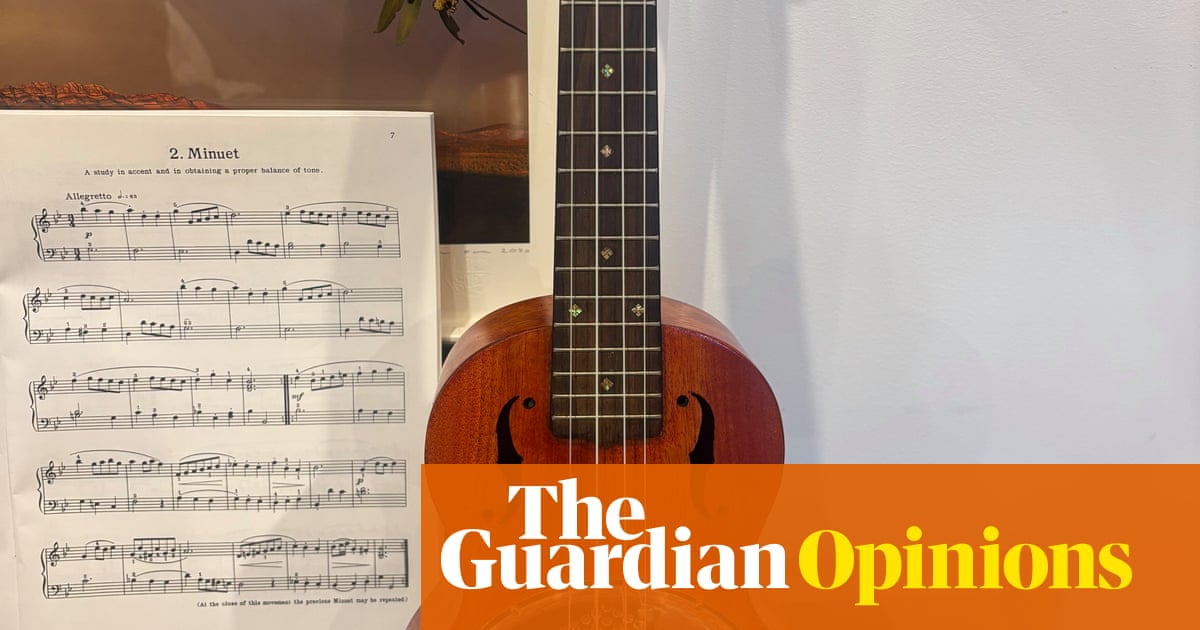
Many adults assume that if they drifted away from music after school, their chance to play an instrument is gone for good. This heartwarming personal essay in The Guardian proves the exact opposite—all it took was one casual living-room singalong to spark a brand-new creative obsession.

After hearing a friend strum a few chords on a ukulele and lead a group in harmony, the writer decided to buy an affordable starter instrument and commit to a short 15-day beginner course. Within days, sore fingertips gave way to easy chord changes, and evening practice became the highlight of her day—so absorbing that she had to set a timer just to remember to go to bed.

What makes the ukulele so inviting is how quickly you can go from zero experience to playing real songs with friends. You do not need years of conservatory training to feel that spark of making music with your own hands. Give the full story a read—it might be the nudge you need to pick up a small instrument and bring more playfulness into your evenings.
Most people who quit working out in their first month do not lack willpower—they simply try to do too much too soon. This practical 2026 beginner fitness guide breaks down why sustainable progress comes from starting with less than you think you need and building up gradually.

Instead of jumping into exhausting six-day routines, the article highlights how two or three focused 30-to-45-minute full-body sessions each week give your body time to learn proper form and recover. Pairing simple compound movements with steady walking, sensible protein targets, and seven to nine hours of quality sleep turns fitness into a repeatable routine rather than a burnout cycle.

What makes this perspective so encouraging is its focus on process over perfection: showing up around 80% of the time for years beats chasing an intense plan for three weeks. If you have been waiting for the right moment to start strength training or rebuild your energy, check out the full guide for a calm, realistic blueprint you can start this week.

Staring at a blank sheet of watercolor paper can make any beginner freeze up—especially when social media is full of hyper-detailed masterpieces.

When a first-time painter shared their very first attempt on r/Watercolor, seasoned artists gave the most encouraging advice: focus on finishing small, fun pieces rather than stressing over perfect perspective or advanced rules. Learn one simple technique at a time—like a soft sky wash or wet-on-wet blending—and let yourself enjoy the process. Every finished painting builds confidence for the next one.

Switching your camera off "Auto" mode can feel intimidating, but the exposure triangle is actually much simpler than camera manuals make it sound.

This 10-minute YouTube tutorial explains shutter speed, aperture, and ISO in plain English—showing how each setting controls brightness, motion blur, and background softness. Once you understand those three levers, you stop guessing and start intentionally creating the exact look you pictured in your head.

Sore fingertips and slow chord changes make a lot of beginner guitarists quit in week one—right before the fun part starts.

In r/Guitar, experienced players shared a dead-simple drill that builds muscle memory fast: pick four essential chords (G, D, Em, C), set a metronome to a slow 60–70 BPM, and strum once on every beat while switching chords.

Within 2–3 weeks of daily 10-minute practice, your fingertips toughen up and your hand starts landing on the chords automatically—unlocking hundreds of popular songs you can actually play and sing along to.

If you've ever wanted to sing without feeling embarrassed in the car or at karaoke, you don't need expensive private lessons on day one.

This YouTube guide walks through a simple 10-minute daily routine designed for complete beginners starting from scratch. By practicing gentle warm-ups, breath support, and vocal flexibility for just ten minutes a day, you steadily build the coordination and confidence that make singing feel effortless.

The biggest hurdle isn't talent—it's avoiding straining early on and giving your voice consistent, bite-sized practice every day.

Starting strength training often feels intimidating because people think they need complex machines or a six-day split. In reality, a basic pair of dumbbells and three focused days a week can transform how strong and energized you feel.

In r/Fitness, lifters regularly share a clean, beginner-friendly 3-day full-body template:

  • Monday: Dumbbell squats, floor/bench press, one-arm rows, and curls (3 sets of 6–12 reps).
  • Wednesday: Dumbbell step-ups, stiff-leg deadlifts, seated shoulder presses, and calf raises.
  • Friday: Dumbbell lunges, floor press, band-assisted pull-ups or lat pulldowns, and core work.

You don't need to lift heavy on day one. Focus on smooth form, add one extra rep or a tiny bit of weight each week, and you'll be amazed at your progress in just two months.

Almost everyone who tries running for the first time quits within two weeks for the exact same reason: they run way too fast.

In a recent r/running Q&A thread, experienced runners shared the advice that turns beginners from "I hate running" into lifelong runners:

  • Slow down until you can talk in full sentences: If a 1km jog feels like you're dying, you're sprinting relative to your current aerobic base.
  • Use run/walk intervals without ego: Alternating 1 minute of easy jogging with 1–2 minutes of walking for 20–30 minutes builds your heart, lungs, and joints safely.
  • Frequency beats heroics: Four short, easy runs a week will help your legs adapt much faster than two exhausting, painful sessions.
  • Respect recovery: Taking an easier cutback week every 3–4 weeks and adding simple calf and single-leg strength work keeps injuries away.

You don't need to suffer to become a runner. Slow the pace down, enjoy being outside, and let consistency do the heavy lifting.

A lot of people think mountain biking is only for fearless 20-year-olds launching off huge jumps, but the r/MTB community is full of riders who started in their mid-to-late 30s and now ride technical trails with total confidence.

If you're just getting on a trail bike and feeling overwhelmed, experienced riders recommend focusing on skills in this order instead of rushing straight to jumps:

  1. Body position & bike-body separation: Stand up on the pedals in an athletic stance with elbows out, letting the bike move underneath you instead of stiffening up.
  1. Trail vision: Look ahead to where you want to go, not down at the root or rock right in front of your tire.
  1. Braking & cornering: Practice feathering your brakes smoothly before turns and leaning the bike into corners.
  1. Wheel lifts & small drops: Once the basics feel natural, front and rear wheel lifts unlock trail obstacles cleanly.

As one rider put it in the thread: "I started at 38. I'm now 47 and can ride anything short of a World Cup downhill track." With patience and a focus on fundamentals, you'll surprise yourself with how capable you become.

All posts loaded