Submit
← Back

#creativity

4+ posts

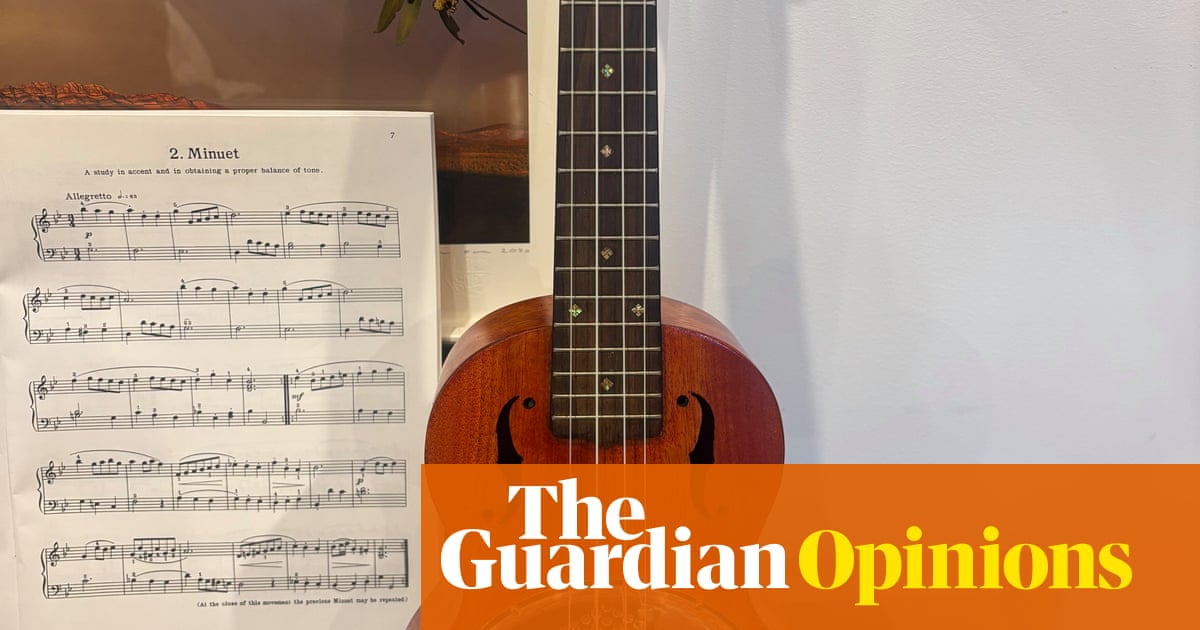
Many adults assume that if they drifted away from music after school, their chance to play an instrument is gone for good. This heartwarming personal essay in The Guardian proves the exact opposite—all it took was one casual living-room singalong to spark a brand-new creative obsession.

After hearing a friend strum a few chords on a ukulele and lead a group in harmony, the writer decided to buy an affordable starter instrument and commit to a short 15-day beginner course. Within days, sore fingertips gave way to easy chord changes, and evening practice became the highlight of her day—so absorbing that she had to set a timer just to remember to go to bed.

What makes the ukulele so inviting is how quickly you can go from zero experience to playing real songs with friends. You do not need years of conservatory training to feel that spark of making music with your own hands. Give the full story a read—it might be the nudge you need to pick up a small instrument and bring more playfulness into your evenings.
Most people buy a big, expensive sketchbook, draw one crooked line, feel disappointed, and never open it again.

Artists on r/sketchbooks shared a simple mindset shift that makes sketching fun again: use a small sketchbook and literally write "there is no pressure inside this book" on the cover. Sketchbooks aren't for gallery masterpieces—they're a playground for messy drafts, quick doodles from life, and experimenting with things you love. When you remove the pressure to impress anyone, you actually start drawing every day.

Staring at a blank sheet of watercolor paper can make any beginner freeze up—especially when social media is full of hyper-detailed masterpieces.

When a first-time painter shared their very first attempt on r/Watercolor, seasoned artists gave the most encouraging advice: focus on finishing small, fun pieces rather than stressing over perfect perspective or advanced rules. Learn one simple technique at a time—like a soft sky wash or wet-on-wet blending—and let yourself enjoy the process. Every finished painting builds confidence for the next one.

When you look at a skilled artist's sketchbook, it's easy to assume they were just born with a gift. In reality, great drawing is mostly knowing what order to learn things in—and practicing with a clear target.

This YouTube guide lays out a practical roadmap for anyone who wants to level up their drawing without burning out:

  • Follow a clear skill order: Instead of jumping straight into complex portraits or scenes, build core fundamentals one step at a time—shapes, perspective, gesture, and form—so each skill supports the next.
  • Spot the specific gap: Whenever something in your drawing looks "off," treat it as a clue pointing to one specific thing to study next, not proof that you can't draw.
  • Keep it structured and encouraging: Pair short daily sketching with targeted tutorials or a study group so you challenge yourself without feeling lost.

Everyone starts with awkward, wobbly lines. Stick to a simple plan, focus on one skill at a time, and your sketchbooks from six months ago will amaze you.

All posts loaded